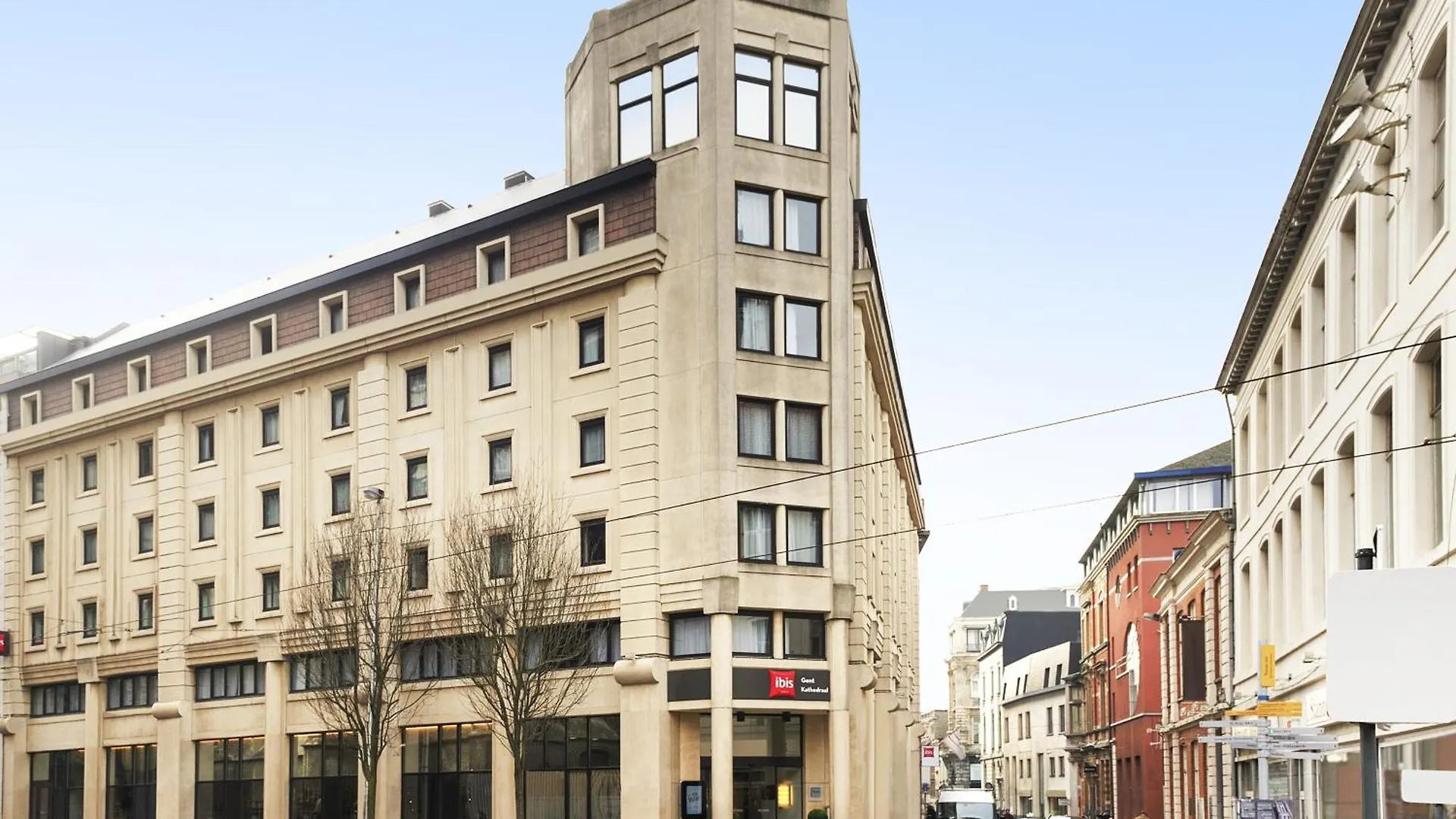
Ghent's Old Town is one of Belgium's most walkable historic centres, compact enough to cover on foot but dense enough in landmarks, restaurants, and canal-side streets to justify staying multiple nights. This guide breaks down what it actually means to stay centrally, which hotels deliver on location, and how to book without overpaying.
What It's Like Staying in Old Town Ghent
Old Town Ghent - locally known as Binnenstad - places you within walking distance of the Gravensteen Castle, Graslei quay, Saint Bavo's Cathedral, and the Belfry without needing a single tram ride. Most major sights sit within a 15-minute walk of each other, which means your hotel location directly determines how much time you save each day. The area runs on a rhythm of early-morning calm followed by heavy tourist foot traffic from late morning until around 9 PM, especially along Korenlei and Kraanlei.
Tram lines 1 and 4 run through Korenmarkt, connecting the Old Town to Sint-Pietersstation and the wider city in under 10 minutes. Weekends in summer bring noticeably denser crowds, particularly around the Vrijdagmarkt and the canal corridors - a factor worth weighing if you're a light sleeper booking a street-facing room.
Pros:
- Walking access to Ghent's top landmarks with no transport needed
- Dense restaurant and bar scene within a 5-minute radius of any central hotel
- Tram connections at Korenmarkt for day trips to Sint-Pietersstation or Dampoort
Cons:
- Cobblestone streets and narrow lanes make arriving with large luggage genuinely awkward
- Street noise from bar terraces along Patershol and Graslei runs late on Friday and Saturday nights
- Central parking is extremely limited - driving guests face around €25 per night for garage options
Why Choose a Central Hotel in Old Town Ghent
Central hotels in Old Town Ghent range from budget chains positioned within 300 metres of the cathedral to boutique properties occupying converted historic post offices and patrician houses. Price gaps between budget and premium tiers can reach around 60% per night for the same calendar dates, but that gap often reflects room size and breakfast quality more than raw location, since most properties here cluster within the same walkable zone.
Room sizes in Old Town's historic buildings tend to run smaller than equivalent-category hotels in newer districts - this is a structural reality of 17th- and 18th-century Flemish architecture, not a quality issue. What you gain instead is direct immersion in the medieval street grid, with the Gravensteen, Ghent Belfry, and the Graslei quay effectively becoming your extended lobby. Travelers who prioritize evening canal walks and spontaneous dining benefit most from paying the central premium; those attending events at the ICC Congress Centre or Flanders Expo will find the 10-minute tram ride from the edge of the Old Town a minor trade-off for lower nightly rates.
Pros:
- No transport costs or planning needed for Ghent's main cultural circuit
- Historic building character unavailable in peripheral hotel zones
- Breakfast options integrated into the sightseeing rhythm - eat, walk out, and arrive at attractions before tour groups
Cons:
- Rooms in converted historic buildings are often compact with limited storage
- Premium pricing applies even to mid-week stays during Ghent Festivities in July
- Car-dependent travelers face genuine inconvenience - most Old Town streets are pedestrianised or restricted
Practical Booking & Area Strategy for Old Town Ghent
The strongest micro-location in Old Town Ghent is the axis between Korenmarkt and Botermarkt - hotels here sit within a 3-minute walk of the Belfry, Sint-Niklaaskerk, and the Graslei canal quay simultaneously. A secondary tier runs through the Patershol neighbourhood, just north of Gravensteen Castle, where streets are quieter at night and the restaurant density is among the highest in the city. Hotels on or near Sint-Baafsplein offer direct views of the cathedral and Opera Gent, but face higher ambient noise from the square's event programming.
For transport, Korenmarkt tram stop serves lines 1, 2, and 4, making Sint-Pietersstation - Ghent's main rail hub for Brussels and Bruges connections - reachable in under 12 minutes without a car. If you're arriving by train, the walk from Sint-Pietersstation to the Old Town core takes around 40 minutes on foot or 10 minutes by tram - factor this into arrival planning with heavy bags.
Things to do within walking distance of any central hotel include exploring the Gravensteen Castle (adult entry around €14), the STAM City Museum, the Design Museum Gent on Jan Breydelstraat, the Vrijdagmarkt market square, and the medieval Patershol district's restaurant rows. Book at least 6 weeks ahead for July during the Gentse Feesten festival, when central hotels sell out and prices spike sharply across all categories.
Best Value Stays in Old Town Ghent
These hotels deliver genuine central positioning at rates that don't require committing to a premium room category. Each sits within a short walk of the Old Town's core landmarks while offering the essential amenities most travellers actually use.
-
1. B&B Hotel Gent Centrum
Show on map


 Check-infrom 15:00 until 23:59Check-outuntil 12:00
Just a few rooms left at the best rate!
from€ 66
-
2. Ibis Gent Centrum St. Baafs Kathedraal
Show on map


 Check-infrom 15:00 until 23:59Check-outuntil 12:00
Just a few rooms left at the best rate!
from€ 87
-
3. Parkhotel Gent Centrum
Show on map


 Check-infrom 15:00 until 19:30Check-outfrom 08:00 until 11:00
Just a few rooms left at the best rate!
from€ 75
Best Premium Stays in Old Town Ghent
These properties go beyond basic centrality - each offers a distinct architectural identity, elevated food and drink programming, or amenities that justify the higher nightly rate in a city where historic character commands a genuine premium.
-
4. Novotel Gent Centrum
Show on map


 Check-infrom 15:00 until 23:59Check-outuntil 12:00
Hurry – almost gone at this price!
from€ 89
-
5. Nh Collection Gent
Show on map


 Check-infrom 15:00 until 23:59Check-outuntil 12:00
Hurry – almost gone at this price!
from€ 82
-
6. Hotel Harmony
Show on map


 Check-infrom 15:00 until 23:59Check-outfrom 07:00 until 11:00
Rooms filling fast – secure the best rate!
from€ 135
-
7. 1898 The Post & Porter'S House
Show on map


 Check-infrom 16:00 until 23:59Check-outuntil 12:00
Rooms filling fast – secure the best rate!
from€ 149
Smart Timing & Booking Advice for Old Town Ghent
Ghent's Old Town operates on two distinct seasonal peaks. The summer peak runs from late June through August, driven by leisure tourism and the Gentse Feesten festival in mid-July - the ten-day festival fills central hotels weeks in advance and pushes nightly rates up by around 40% across all categories. Spring (April to early June) delivers mild weather, lower crowds at major sites like Gravensteen Castle and Sint-Baafskathedraal, and competitive pricing across both budget and premium tiers - the strongest window for value-focused travellers.
Autumn (September to October) brings the second-best conditions: the Ghent Light Festival runs in late January every three years and draws significant crowds, but in non-festival years, autumn weekdays in the Old Town are notably quiet. Winter stays outside the Christmas market period (late November to early January) offer the lowest rates, though some terrace-dependent venues reduce hours. Book at least 6 weeks ahead for any July stay, and for the Christmas market window, 8 weeks minimum is realistic for central properties. A stay of 2 nights covers the essential Old Town circuit comfortably; 3 nights allows for day trips to Bruges (35 minutes by car or around 30 minutes by direct train from Sint-Pietersstation) without feeling rushed.